
Advanced Resistance Training Strategies for Active Adults
Once you have been lifting for a while, progress stops being as simple as adding five kilograms to the bar every week. Work, running, cycling,


Your brain does not need to work exactly the same way at 60 as it ...

Physical activity is usually associated with stronger muscles, better heart health, or weight management. But ...

Why do some people remain mentally sharp even when brain scans show age-related changes, while ...

Have you ever spent hours studying something, only to realize the next morning that very ...

Brain health is easy to take for granted when memory feels sharp and concentration comes ...
Once you have been lifting for a while, progress stops being as simple as adding five kilograms to the bar every week. Work, running, cycling,

Strength training is often associated with bigger muscles or improved gym performance. But beneath those visible changes, resistance exercise is influencing two systems that become
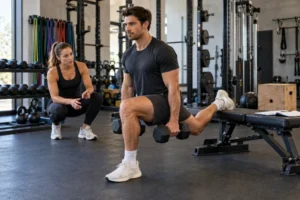
Progressive overload sounds simple: lift something, get stronger, then lift something heavier. That idea is not wrong, but it leaves out a large part of

Getting older does not automatically mean becoming weak, but maintaining physical independence becomes increasingly connected to something many people overlook: muscle strength. Strength determines much

Strength training is often marketed around bigger muscles, heavier lifts, and gym performance. Those goals are perfectly valid, but they represent only a small part

When your day includes an early workout, eight hours of work, a long commute, family responsibilities, and maybe another training session in the evening, eating

Eating the same meal at breakfast and near midnight does not necessarily produce the same metabolic response. The calories may be identical, yet the body

Most people think about protein as a daily target. You might aim for a certain number of grams, hit that number by dinner, and assume

© 2026 HelthyLeaf.com. All Rights Reserved.